The
Tomb
The |
Tomb |
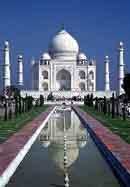
| The 200-foot tomb, reflected in the center canal, is the first thing seen as you enter the gates. The height of the tomb is used to give a soaring effect, which helps to emphasis the feeling of grace and lightness, like it is about to rise into the sky. It stands on a marble plinth, which rests on a red sandstone platform that levels the land. The two mosques serve to help frame the tomb as well as the four minarets that rise up from each corner of the plinth. The minarets were built so that they are slightly slanted so that if they were to fall they'd fall away from the tomb. Also the minarets aren't quite as tall as the tomb so that they heighten the effect of the dome on top of the tomb. |
|
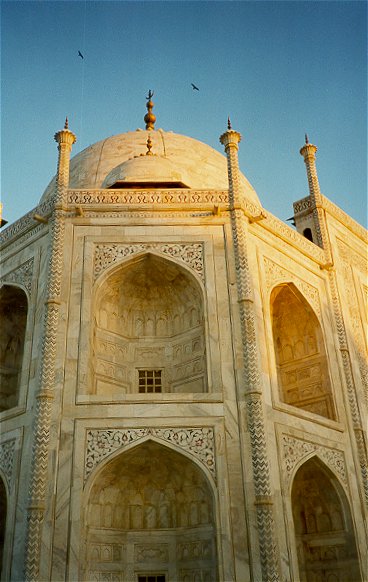
| The semi-octagonal alcoves and the double arches on each side of the center portal add great depth to the tomb. The alcoves, balconies in each of the minarets allow a beautiful play of light and shadow to help add to the effect of the tomb. Illusionary effects are used in the Taj Mahal, like the plinth. The height of the plinth varies in different places, especially the central point between two piers. If this wasn't done the building would look like it was falling down. The semi-octagonal pilasters that rise from the plinth appear to be fluted on each side. Really, they aren't fluted at all, it is just another illusionary effect that one of the architects manipulated with the use of the marble. |
side view |
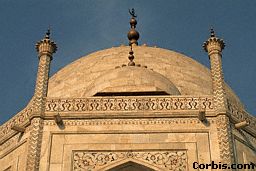 |
The dome itself is 24.5 which is surmounted by an outer shell that is almost 61m in height. Part of the reason the builders did this was so that the height of the ceiling inside of the building would be proportionate with everything else. It also let the builders built the outer shell up more so that the dome could be bigger and more magnificent looking. In between the walls of the two domes it is hollow which was done to reduce the weight of the domes. Four small kiosks were put on the tomb so that that they could help lessen the effect of the height of the dome. |
|
The
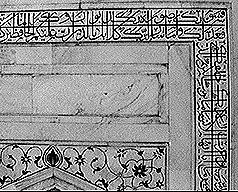
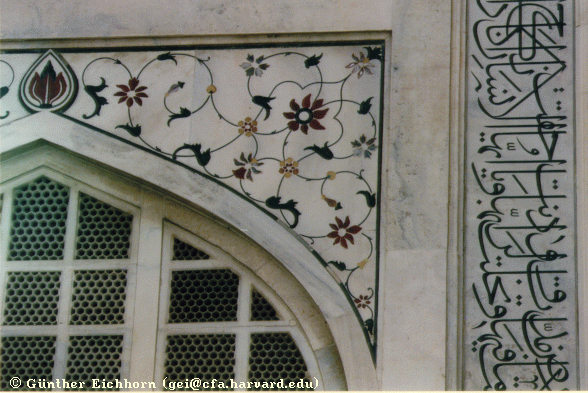
calligraphy is another special effect of the Taj Mahal. They have been
done so that the optical perspective of the letters look normal, when
really up close, the spacing and sizes vary. The use of calligraphy on
buildings can be accredited to the Islamic world
|
calligraphy |
|
Marble inlay |
It is obvious that much thought went into this great building, as it is one of the Seven Wonders of the World. It is carefully planned, perfectly harmonized and complete, for a law of Islam decrees once a tomb is built nothing can be added or taken away. It is indeed a flawless looking structure. |