The
History
The
Taj Mahal was built in the middles ages around 1631 during the Mughal
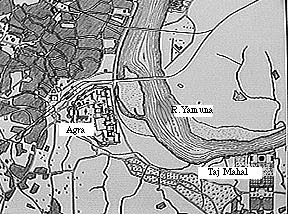
dynasty. It is a Makrana marble tomb built in Agra, India by Shah Jehan,
the fifth Mughal emperor, for his second wife, Arjuman Banu Begum, also
known as Mumtaz Mahal. These two lovers were inseparable and she often
went on Shah's long journeys. Mumtaz died in 1630 and he was so grief
stricken that he decided he wanted his wife's memory to live forever and
decided to build the finest sculpture ever. The Taj Mahal became a monument
of their eternal love. It took twenty-two years to complete with the combined
effort of over twenty thousand workmen and master craftsmen.
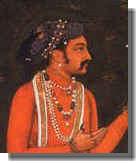
Shah Jehan
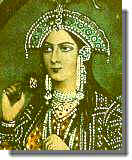
Mumtaz Mahal