The
Garden

The |
Garden |
| After
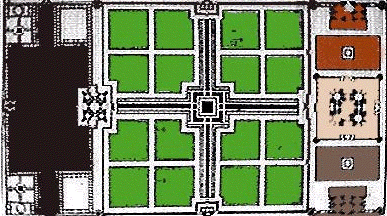
leaving the gateway, the next thing you encounter is the garden that runs
all the way to the tomb. Really, it is a Persian garden and was introduced
to India by the first Mughal emperor, Baber. Another important thing he
brought that was largely used in the making of the Taj Mahal was symmetry.
This garden was based on geometric arrangements and shapes and when being
built the architects didn’t even try to make it have the natural look. |
|
| Unlike
other Mughal tombs, the garden was put in front of the tomb. It is divided
into four parts because in Islam, four is the holiest of the numbers. All
of Taj Mahal is built using this concept. The two water canals that are
studded with fountains and lined with cypress trees (which symbolize death)
divide the garden into this four quarters plan. Also, in the middle of the
garden is a raised marble lotus tanks which has been built so that it perfect
reflects the Taj as you enter the gateway. Another technique used as the garden was built was the use and placement of the fountains and the cypress trees. They only adorned the north-south water canal because if not the attention of the people would be diverted to the sides and not on the Taj. |
 |
|
The four Quaters layout |